How To Date in the Age of AI, Apps and the Algorithm
-1a2dbb0b85.webp)
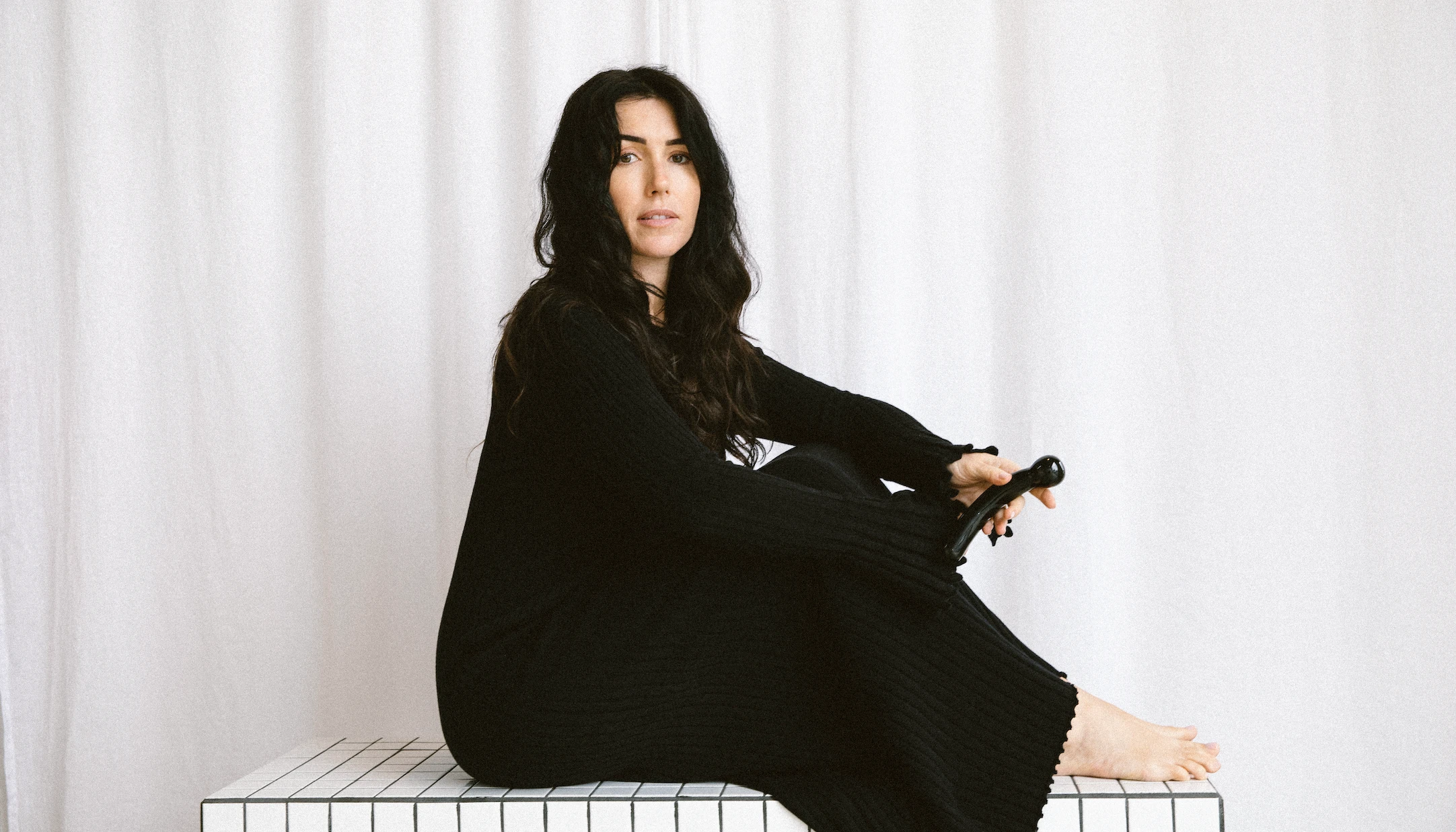
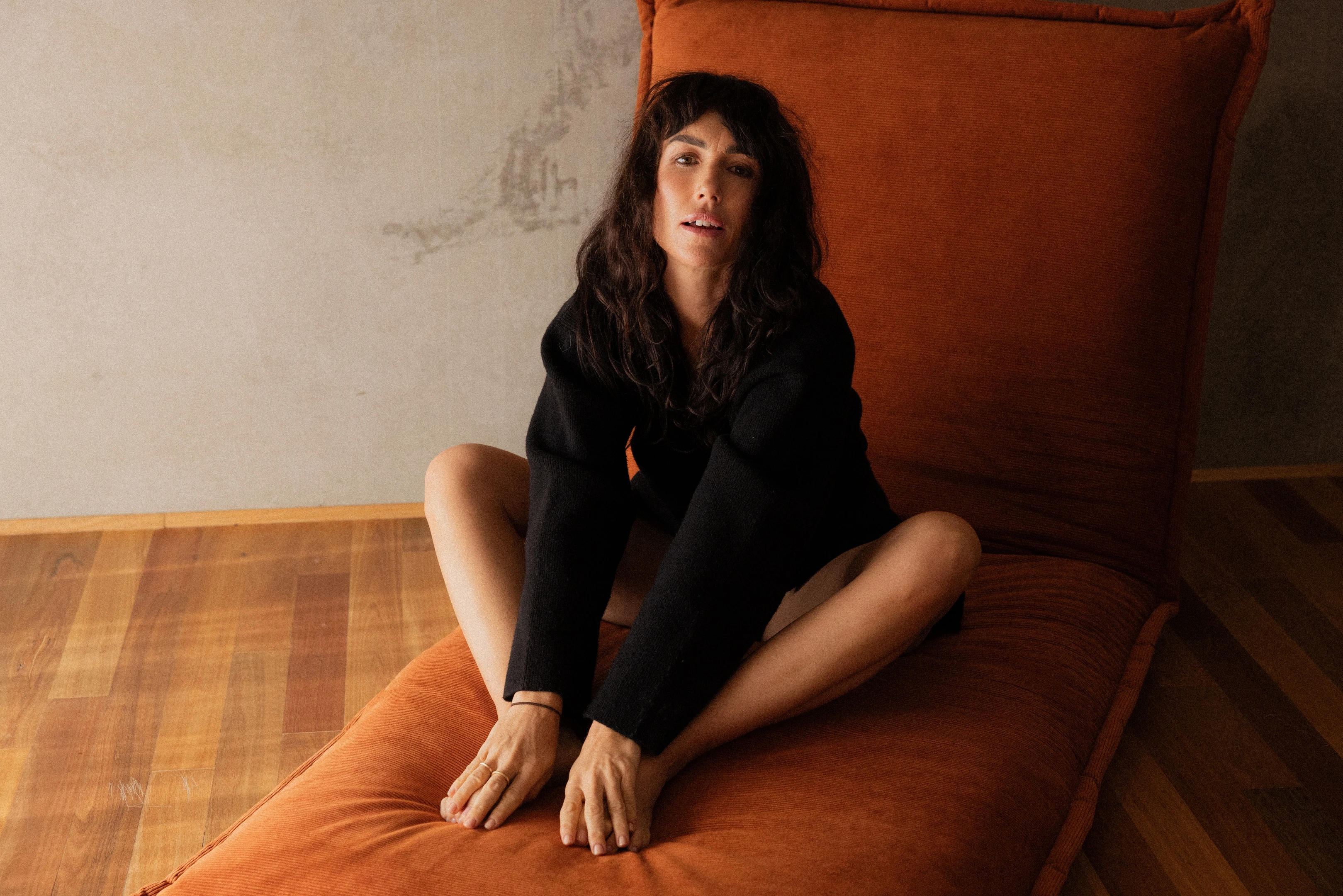
“Humans desire deeply. But there’s often a yearning for intimacy and connection that goes unacknowledged or is unmet,” says sexologist and podcast host Juliet Allen.
Allen, who works predominantly with women, has a front row seat to the trials and tribulations faced in the world of modern dating. “People aren’t developing the skills needed for intimacy and connection because of things like dating apps and social media … it’s becoming harder and harder to feel fully met in our needs.”
If you’ve been single or in the dating pool at any point in the last decade, you might know what she’s talking about. The rise of apps like Tinder, Bumble and Hinge, which all launched in the early-to-mid-2010s, alongside the spread of social media, has led to new dynamics. “The challenge, especially for younger generations, is that they’re so used to interacting through a screen. There’s almost an inability to connect on the physical plane in their friendships and relationships.”
But it’s not just early-stage relationships that are affected by the algorithm – how do you commit to growing old and grey together in a world that is hell-bent on avoiding these things? “There’s this real paranoia around aging. And aging as a woman is so linked to the idea of not being desired. But when there’s a promise to evolve together over time in a healthy, long-term relationship, there’s less doubt that impacts intimacy.”
It’s the question that hangs at the heart of FX’s The Beauty, a body horror series by Ryan Murphy about a sexually transmitted treatment that gives its users unbelievable beauty – with dangerous consequences. It also asks audiences to think about how far they would go to meet today’s beauty standards in the context of human connection and desire.
Allen shares some advice for navigating relationships and dating in a world fuelled by AI and algorithms.
Prioritise authenticity
She acknowledges that the use of filters, Photoshop and, increasingly, AI has eroded trust when it comes to physical attraction. While it can be tempting to smooth out a few lines or blur unwanted pores in the photos you choose to share online, the key is to show up as authentically as possible.
“It’s dangerous when we present ourselves in a way that isn’t truly who we are. I don’t think people are intentionally wanting to deceive others but, because it’s been so normalised, it can lead to disappointment in real life and then immediately there’s a lack of trust.”
Feeling confident in a culture that prioritises idealised beauty standards can be difficult; finding that confidence takes effort, but is worth the extra steps. “Everyone has insecurities. But if we don’t heal and do the inner work that’s needed to come into full self-acceptance, we project that onto others.”
Train your algo
“A really practical tip is to stop consuming so much online. Or fine-tune what the algorithm is feeding you.”
Overexposure to bodies that have been physically or digitally altered to meet the mould of modern beauty is one piece of the puzzle when it comes to self-dissatisfaction. Limiting that exposure – and making a conscious effort to view more realistic bodies and content – is an important step in reprogramming expectations of ourselves.
“There’s so much noise and so many chances to compare ourselves to other people. Surrounding yourself with people who value the same things as you, and choosing to be in environments that make you feel good, is so important,” says Allen. “It really impacts us more than we might think.”
The work starts within
From seeking professional help to using online tools and resources, understanding our own relationship to body image and intimacy is a key step to find fulfilling relationships.
“Deep core wounds can lead to thoughts like ‘I'm unlovable’; ‘I’m not pretty enough’; ‘I'm not fit enough’; ‘I’m not curvy enough’. This is because the messaging that we get from a very young age is that there’s a certain type of beauty,” Allen says. “In my opinion, often the people we’re attracting into our life are a mirror.”
Allen suggests that as individuals evolve and accept certain aspects of themselves, they find that their partners show up with a similar mindset. “There’s always work to do. An equal number of men experience body shame or have hang-ups about their appearance. It’s about finding people who are looking after themselves and have a self-awareness that leads to acceptance.”
This article is produced by Broadsheet in partnership with Disney+. FX’s The Beauty is now streaming exclusively on Disney+.

Produced by Broadsheet in partnership with Disney+.
Learn more about partner content on Broadsheet.
About the author

MORE FROM BROADSHEET

VIDEOS
01:09
The Art of Service: It's All About Being Yourself At Reed House
01:35
No One Goes Home Cranky From Boot-Scooting
01:13
Flavours That Bring You Back Home with Ellie Bouhadana
More Guides
RECIPES