A Vat of Tabouli, a Textile Heart and 1500 Pencils: Is This the Most Ambitious Biennale of Sydney?

Words by Emma Joyce · Updated on 05 Mar 2026 · Published on 05 Mar 2026
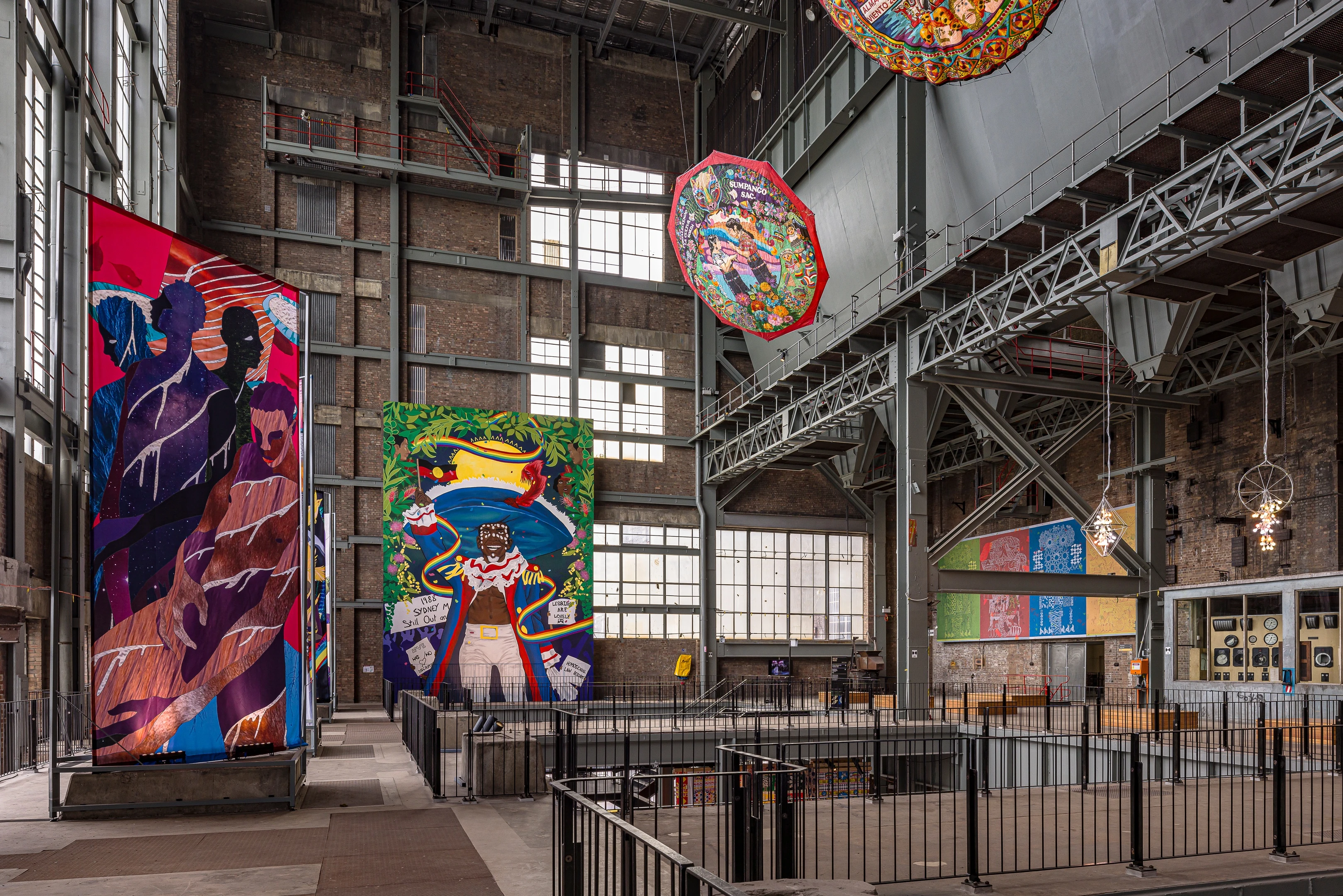
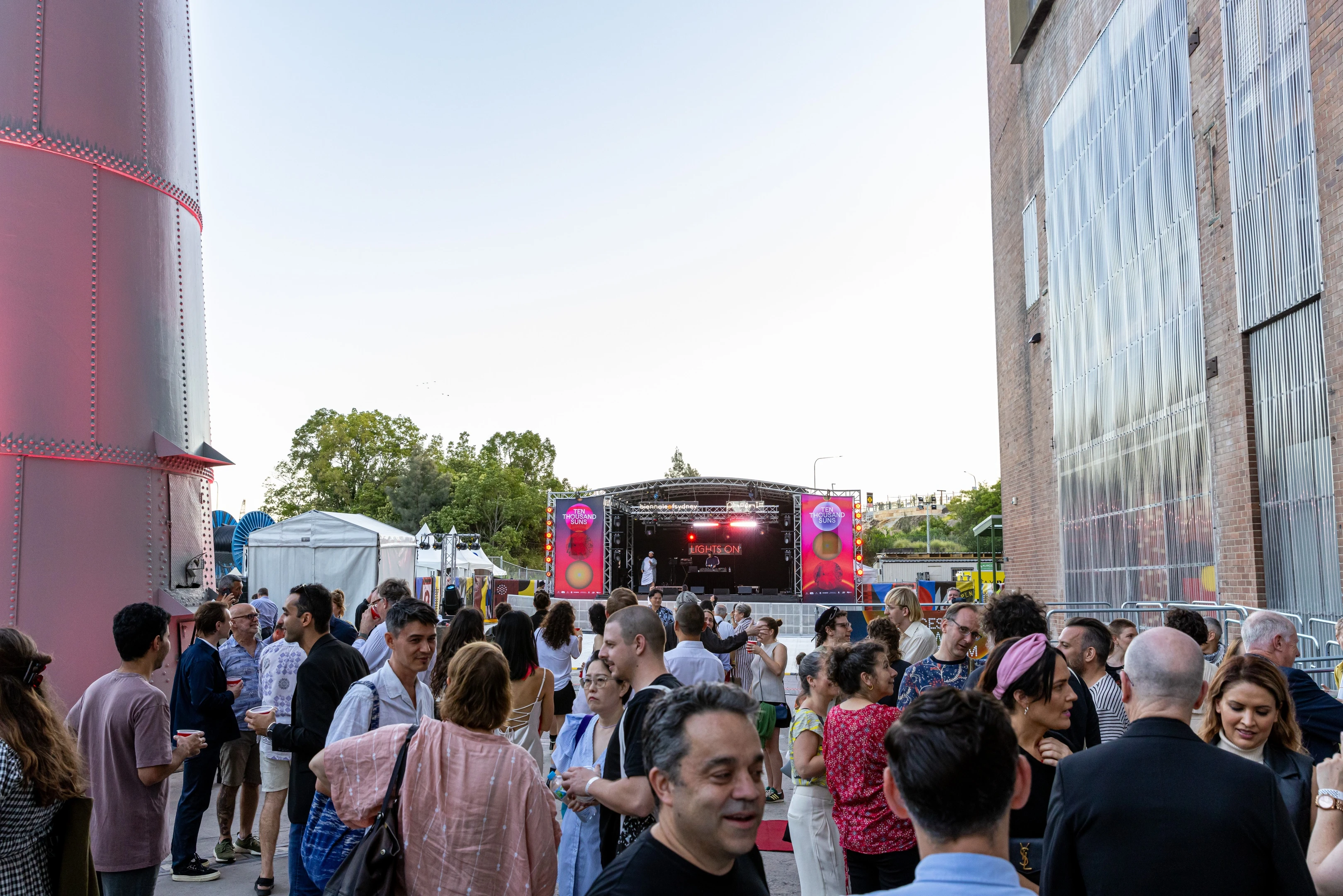
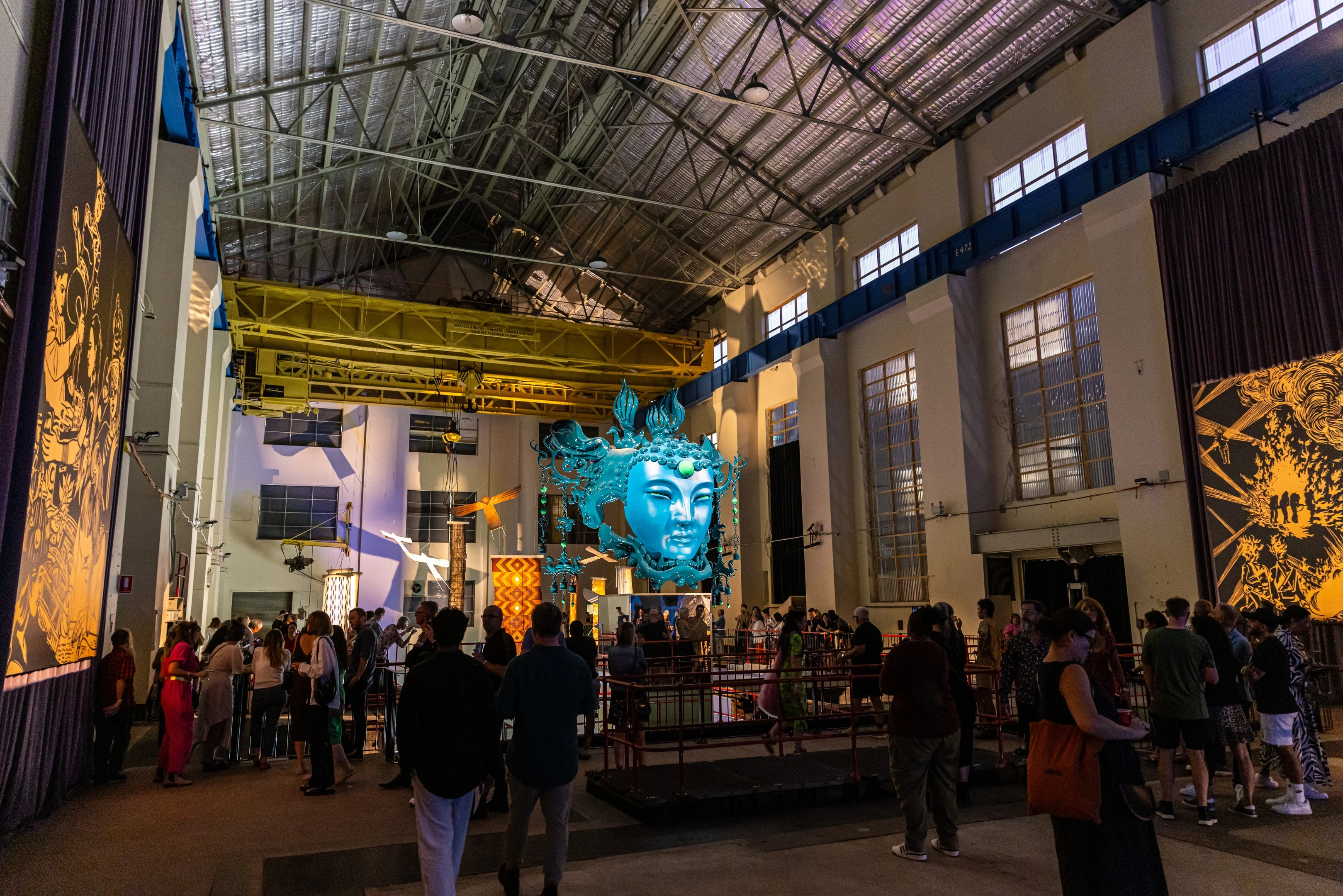
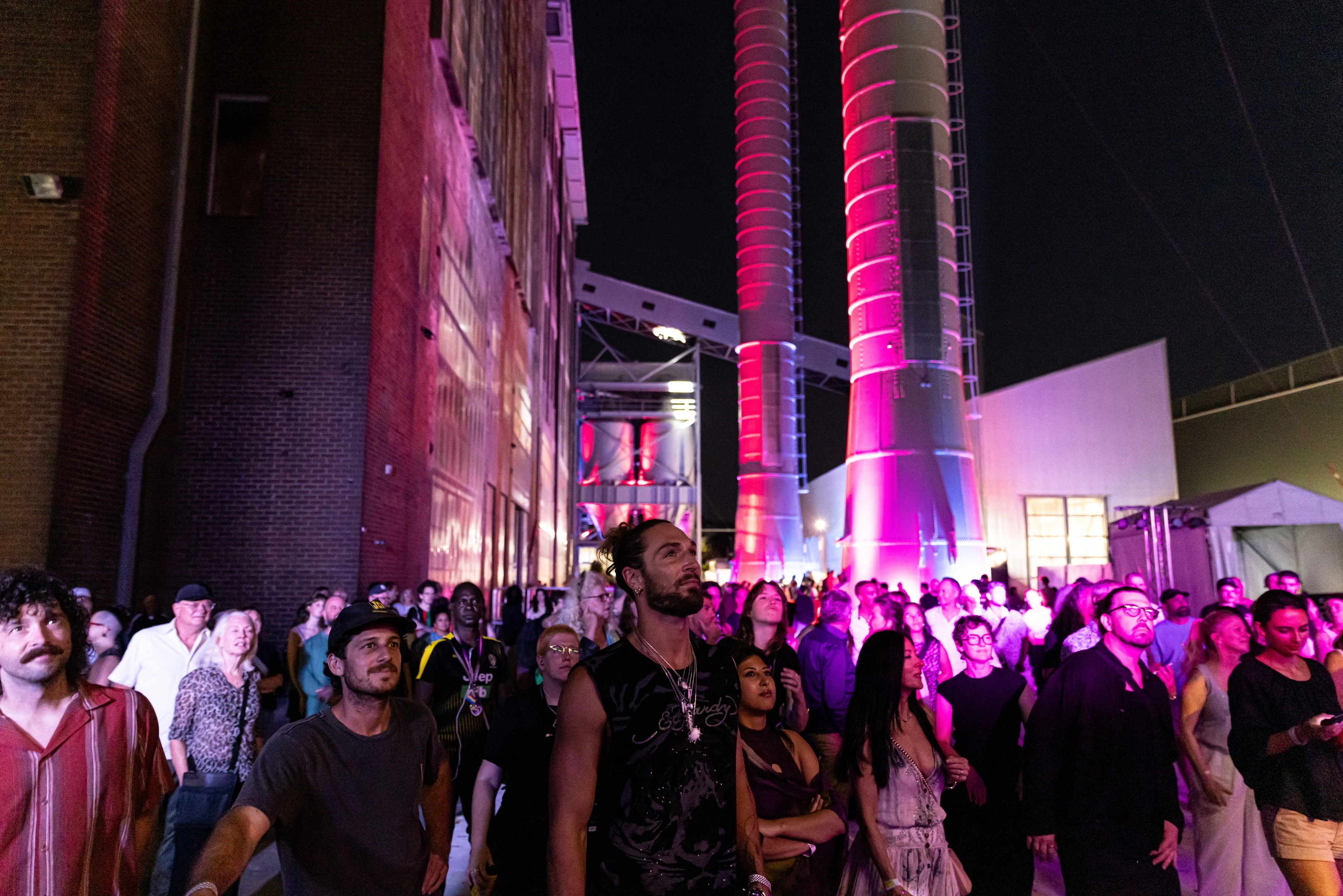
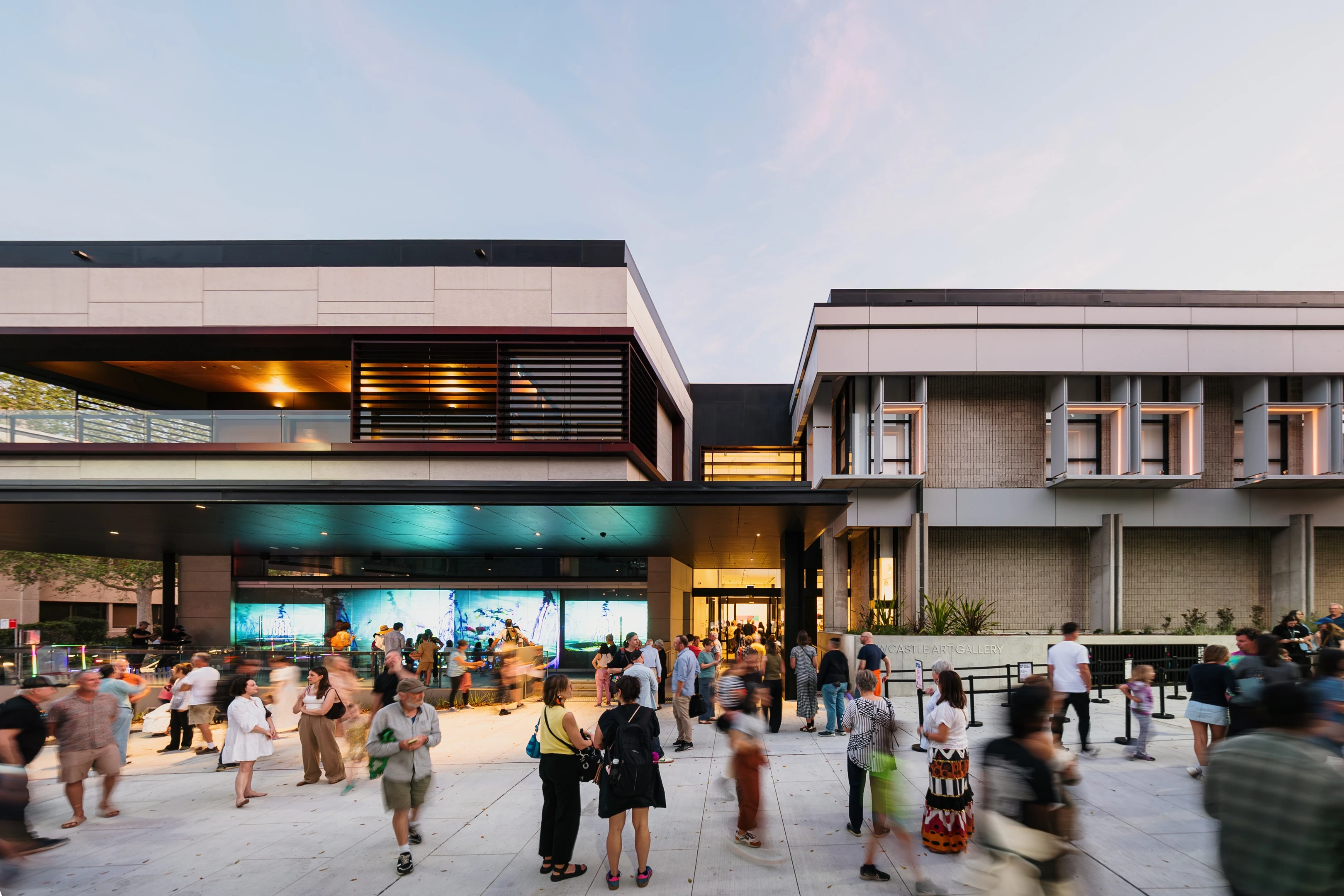
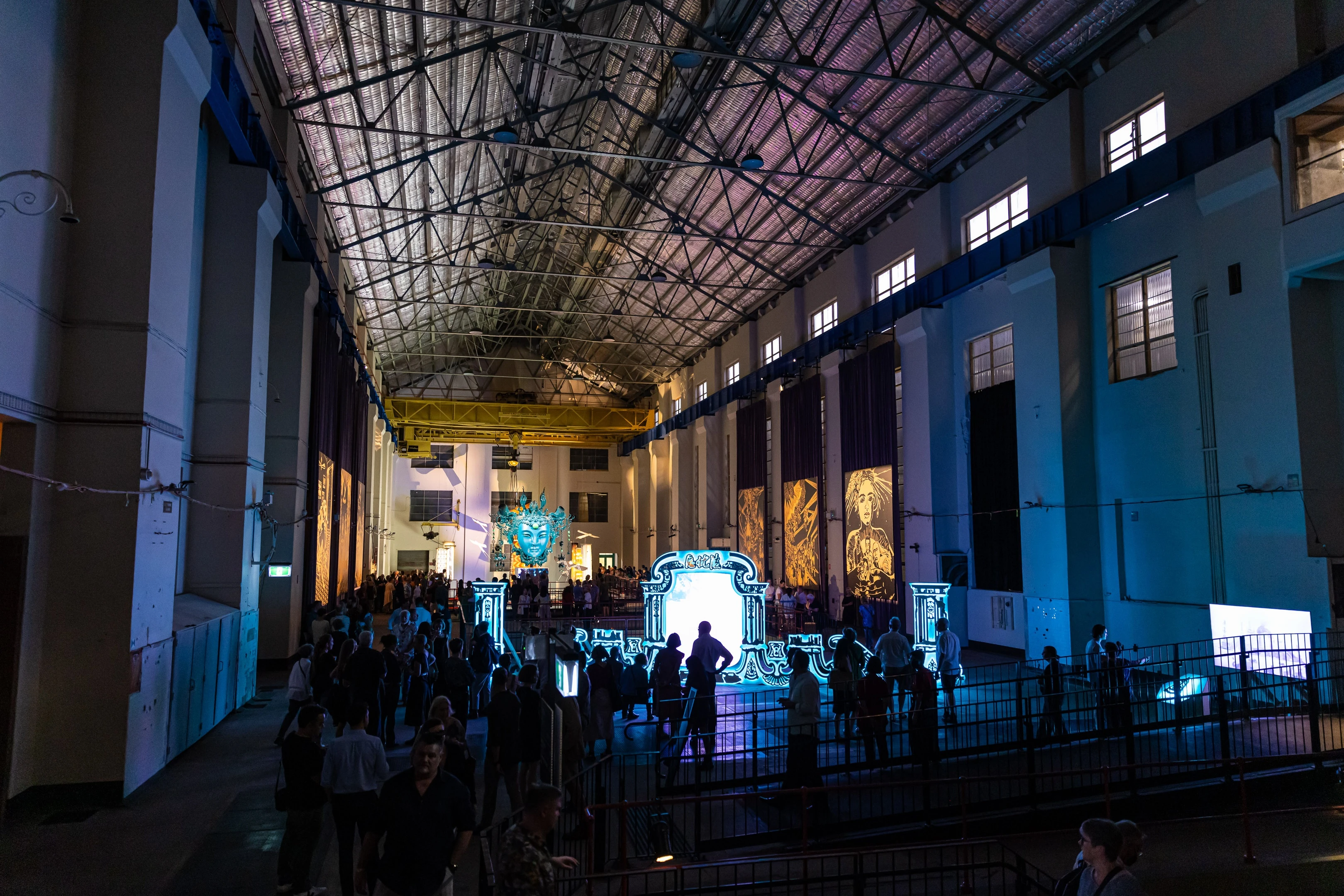
White Bay Power Station is firing up once again – not for energy, but for the 25th edition of the Biennale of Sydney, which returns to the historic site (and plenty of other locations) for a mammoth free program of art installations and cultural activities.
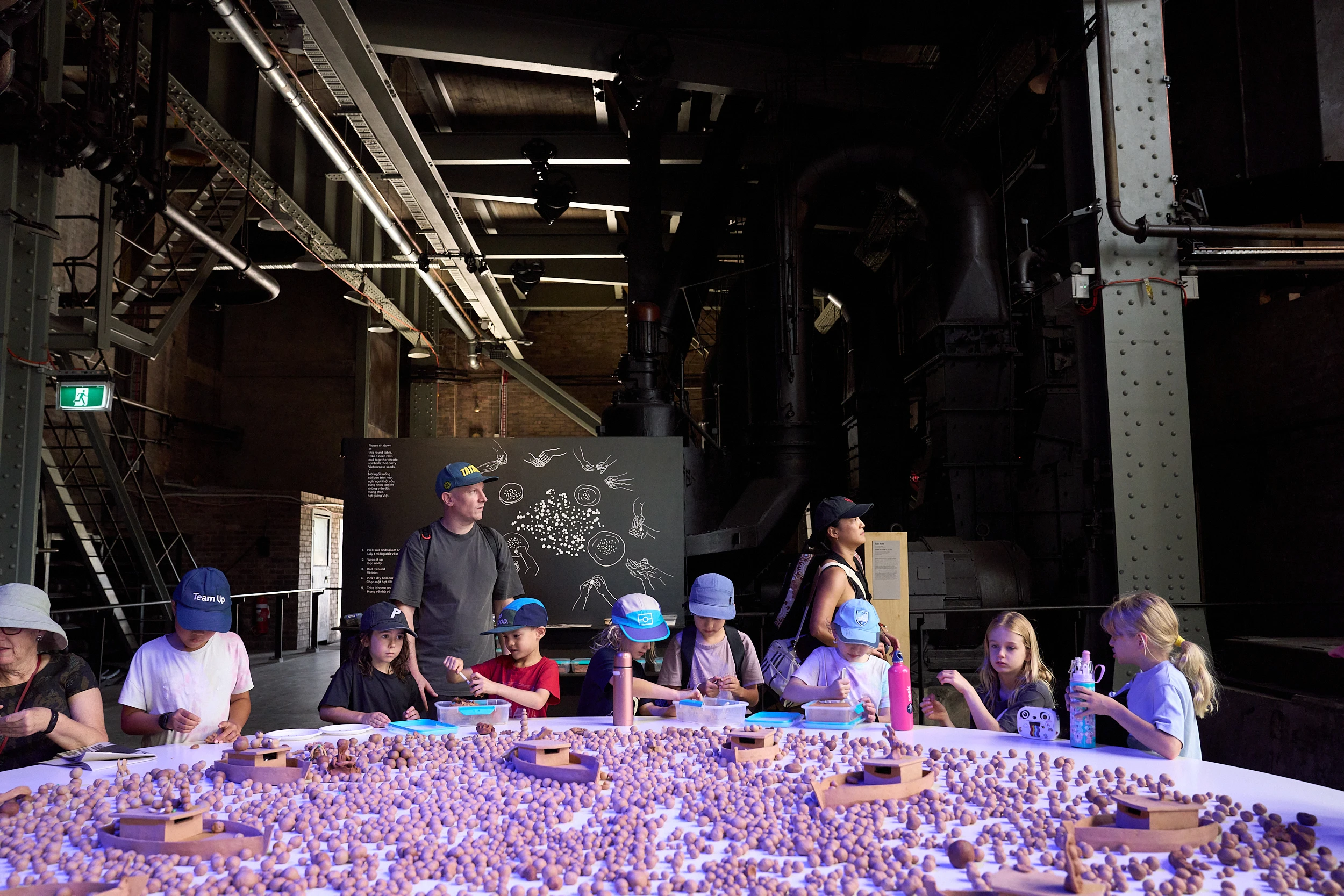
White Bay is where you’ll find a massive hand-built clay oven by Argentinian artist Gabriel Chaile, which will be used to cook Peruvian food for one-off events during the three-month festival. It’s also where you’ll find weekly Memory Lane food markets with vendors offering Palestinian, Lebanese, Italian and Chinese eats, among other cuisines.
Then there’s the resonant community performance by Lebanese artist Mounira Al Solh featuring a large vat of tabouli, in which attendees are invited to eat at Granville’s Blouza Hall, one of a long list of new venues hosting some of this year’s 83 artists and their works.
It’s all part of artistic director Hoor Al Qasimi’s plan to extend the program further into western Sydney. Lewers: Penrith Regional Gallery, Parramatta Artist Studios, Fairfield City Museum & Gallery and Campbelltown Arts Centre will host artworks and performances, as well as central locations such as the Art Gallery of New South Wales.
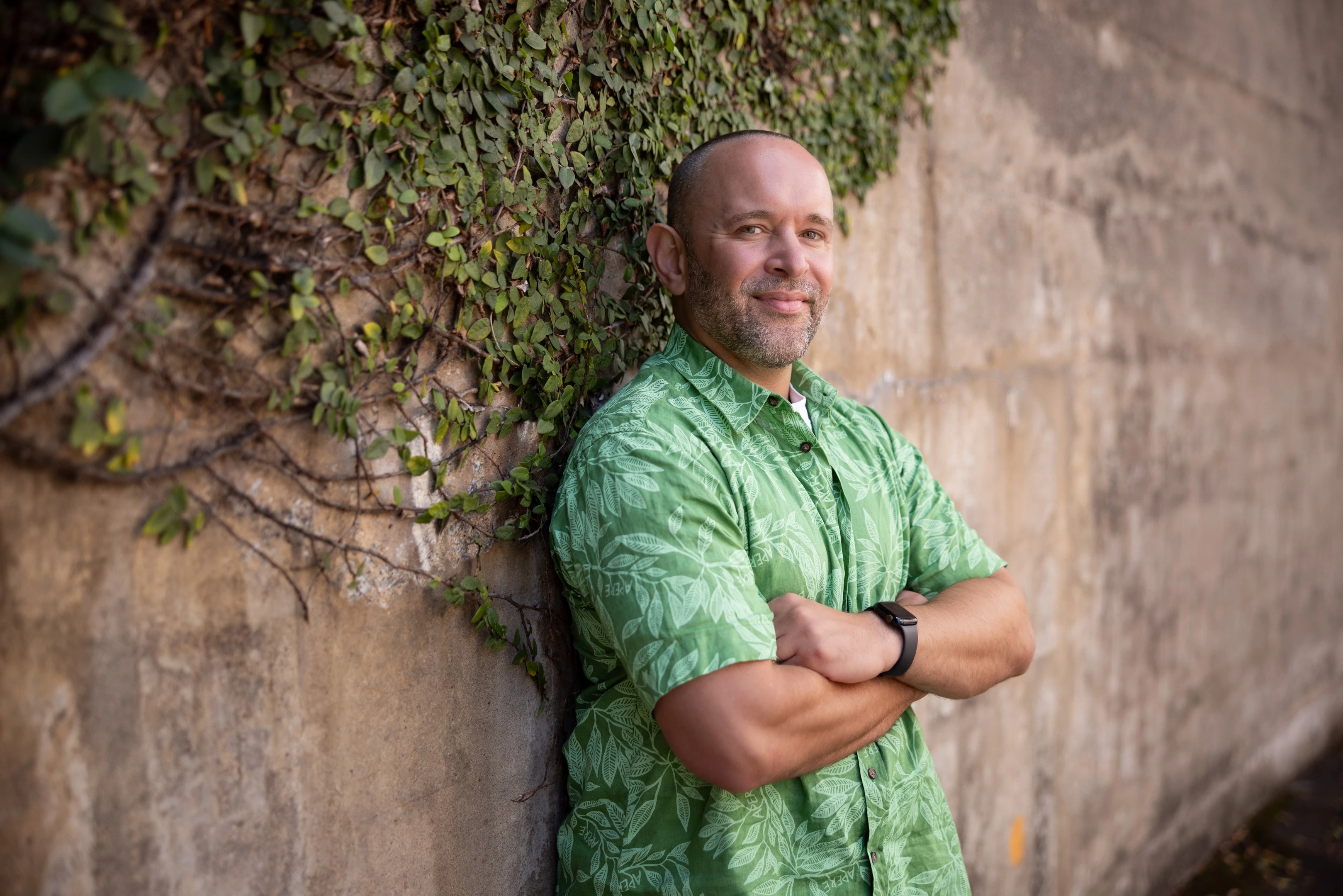
“Hoor has really great ambitions,” says Bruce Johnson McLean, the Fondation Cartier pour l’art contemporain First Nations curatorial fellow, a role previously held by friend and artist Tony Albert. “The amount of new works and new major commissions for this Biennale eclipses everything in recent memory. Hoor is asking the artists to push themselves, which is really exciting.”
Johnson McLean is a member of the Wierdi people of the Birri Gubba Nation, and has more than 25 years of experience in First Nations art and culture. In his role, he liaises with 15 First Nations artists from around the world to create new work for the Biennale, such as Guatemalan artists Fernando and Ángel Poyón from the indigenous Maya Kaqchikel community.
“Fernando’s works are amazing stalks of corn that he creates out of pencils, and they speak to the history of Mayan agriculture – the importance of corn, maize, to indigenous communities, but also to the education system or Western systems of knowledge, and how they’ve been imposed and enforced upon Mayan people,” says Johnson McLean.
Fernando Poyón’s corn stalks (milpa) will be made of 1500 cedarwood pencils and on display at Lewers House in the Penrith Regional Gallery.
Meanwhile, his brother Ángel’s sculptures, made from hoes and brooms, will be installed at White Bay Power Station. “Ángel is making these incredible tools about agriculture, and each of them [is] topped with a fist, speaking to that idea of agriculture as a form of resistance and of sovereignty,” says Johnson McLean.
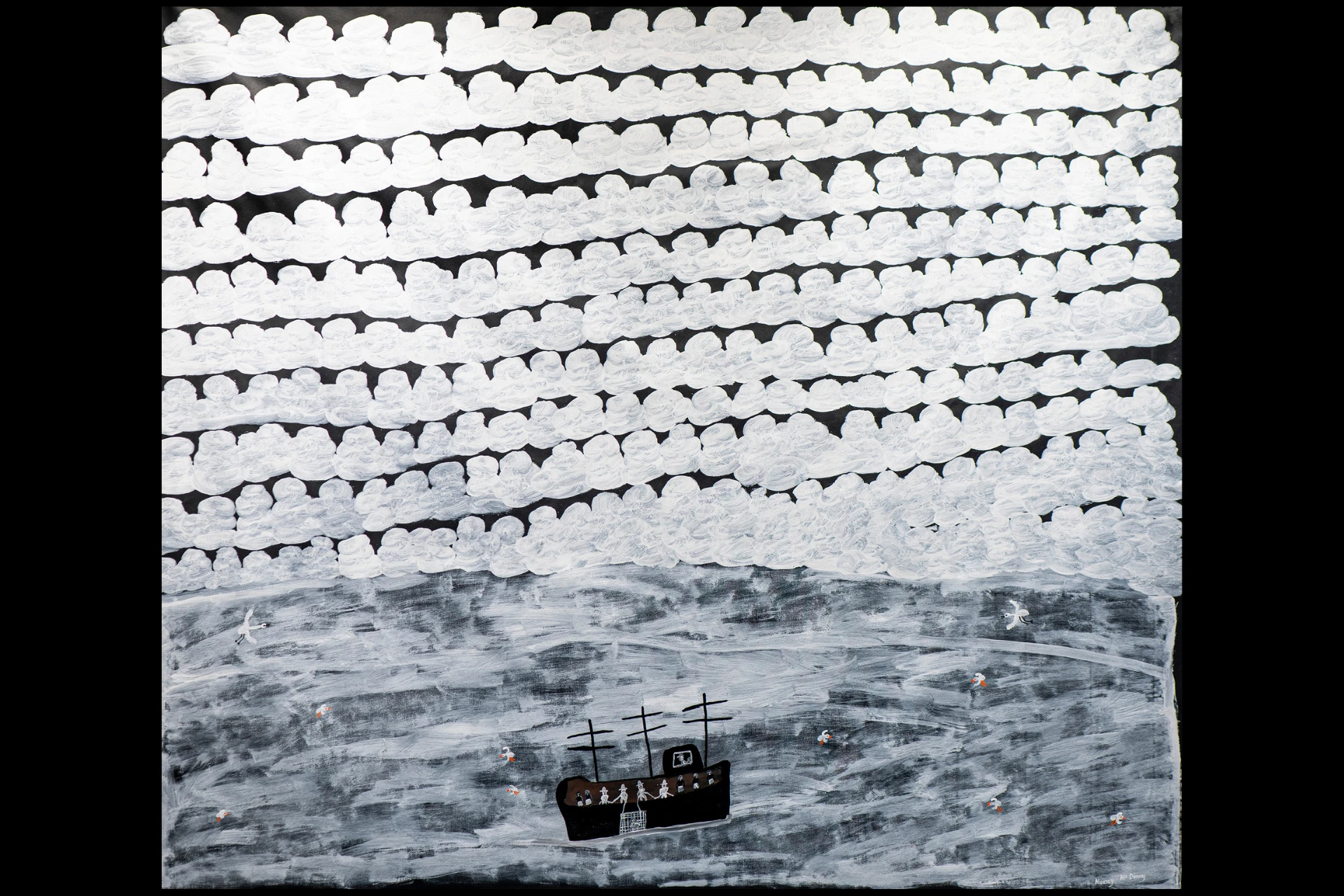
Exhibiting Australian artists include Richard Bell, Dennis Golding and Nancy Yukuwal McDinny, a painter from the Gulf of Carpentaria who will unveil a dramatic and large-scale work at White Bay Power Station about the morning glory cloud that appears like rolls of waves in northern Australia.
Johnson McLean says McDinny usually works on a much smaller scale. “It’s been really amazing to see the way that artists who’ve been working in a particular way for quite a long time are pushing themselves to do something different or really extending the ways that they work.”
That includes New Mexico-based artist Rose B Simpson, from a Tewa-speaking Pueblo community, who usually works in sculpture, he adds. For the Biennale, she’s making film works to be shown at AGNSW. The gallery will also present a spectacular 80-square-metre floor canvas by the Ngurrara artists of the Great Sandy Desert, Western Australia. It’ll be the final chance to ever see this large-scale work, originally made for a native title demonstration in 1997.
Chau Chak Wing Museum will be home to another epic installation: a two-metre-tall woven heart made by Melbourne textile artist Ema Shin. It’s inspired by a personal family tree spanning 32 generations, which excluded many female family members.
What unites all the artists is the theme “Rememory”, a word coined by author Toni Morrison in her 1987 novel Beloved. Artists will explore the intersection of memory and history, but also about how the past shapes the future, says Johnson McLean.
“History isn’t in the past – it’s in the present and it’s guiding the way to the future as well. Many of the artists have practices that stretch back into the past but use memory and history as a sort of slingshot to imagine new features.”
Rememory, the 25th edition of the Biennale of Sydney, runs from March 14 to June 14, 2026.
Broadsheet is a proud media partner of the Biennale of Sydney

Broadsheet is a proud media partner of Biennale of Sydney.
Learn more about partner content on Broadsheet.
About the author
Emma Joyce is a freelance writer and was Broadsheet’s former features editor.


MORE FROM BROADSHEET
-5c264c35db.webp)
VIDEOS
04:33
Five Minutes With Doom Juice, the Slightly Satanic Sydney Wine Label
01:00
The Art of Service: There's Something for Everyone at Moon Mart
02:18
Revving for Ramen: How Sydney's Rising Sun Workshop Fuels Connection Through Food
More Guides
RECIPES